Fantasy football can feel confusing at first, especially when league rules introduce positions that don’t exist in real games. One of the most common sources of confusion for new and casual players is the flex position. Many people see it on their lineup screen and wonder what it actually means, who can be placed there, and how it affects weekly strategy.
Understanding the flex spot is important because it can directly influence how competitive your team is throughout the season. When used correctly, it gives you more control over your lineup and helps you adapt to injuries, bye weeks, and changing player performance. This article breaks down everything you need to know about the flex position in clear, simple terms.
What Is the Flex Position in Fantasy Football?
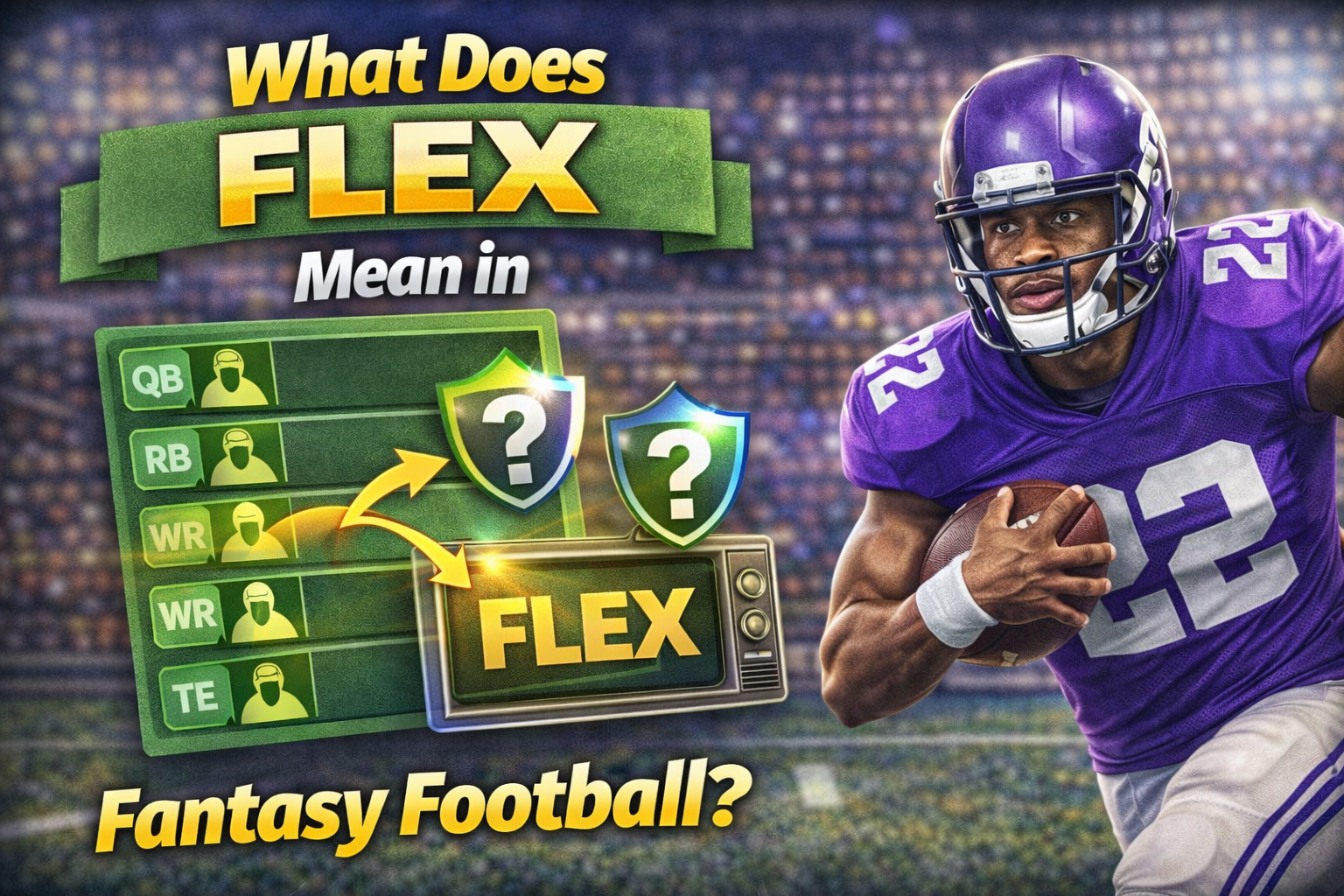
The flex position is a lineup spot that allows you to start players from more than one position instead of locking you into a single role like quarterback or wide receiver.
-
Running back (RB)
-
Wide receiver (WR)
-
Tight end (TE)
Rather than forcing you to start a specific position, the flex gives you the freedom to choose the player you believe will score the most points that week.
Why the Flex Position Exists
Fantasy football is designed to balance structure with strategy. While traditional positions provide consistency, they can also limit flexibility when teams deal with injuries or unpredictable performance.
The flex position was created to:
-
Add strategic depth to weekly lineups
-
Reduce frustration during bye weeks
-
Allow managers to reward depth at RB or WR
-
Reflect how modern football uses versatile offensive players
Instead of punishing teams for having too many strong players at one position, the flex spot lets managers take advantage of their roster strengths.
How the Flex Position Works in a Typical League
A common fantasy football starting lineup might look like this:
-
1 Quarterback (QB)
-
2 Running Backs (RB)
-
2 Wide Receivers (WR)
-
1 Tight End (TE)
-
1 Flex (RB/WR/TE)
-
1 Defense
-
1 Kicker
The flex spot comes after the required positions are filled. You cannot use it to replace a required position, but you can use it to add an extra offensive player.
For example, if you already have two running backs starting, the flex allows you to start a third running back if you want.
Which Players Are Best for the Flex Spot?
Although tight ends are allowed in the flex position, most fantasy managers choose running backs or wide receivers instead. This is because RBs and WRs generally have higher scoring potential and more consistent usage.
Running Backs in the Flex
Running backs are popular flex choices because:
-
They touch the ball frequently
-
They can score through rushing and receiving
-
They are more predictable in favorable matchups
Backup running backs who see increased workload due to injuries often become strong flex options.
Wide Receivers in the Flex
Wide receivers work well in the flex spot when:
-
They play in pass-heavy offenses
-
They face weak defensive secondaries
-
Your league rewards receptions
Slot receivers and deep-threat wideouts can be valuable flex plays depending on matchup and scoring format.
Tight Ends in the Flex
Tight ends are less common flex choices unless:
-
They are elite players with high target volume
-
Your team lacks depth at RB or WR
-
The tight end has a strong matchup
Most leagues only have a few tight ends who consistently produce flex-worthy numbers.
Standard Flex vs Superflex: What’s the Difference?
Not all flex positions are the same. Some leagues use a superflex, which expands your options even further.
Standard Flex
Allows:
-
Running backs
-
Wide receivers
-
Tight ends
Does not allow quarterbacks.
Superflex
Allows:
-
Running backs
-
Wide receivers
-
Tight ends
-
Quarterbacks
Superflex leagues dramatically change strategy because quarterbacks score more points on average than other positions. In these leagues, many managers start two quarterbacks every week.
How Flex Strategy Changes by Scoring Format
Scoring rules play a major role in how the flex position should be used.
Standard Scoring
-
Touchdowns and yardage matter most
-
Running backs often dominate flex decisions
-
Goal-line backs are especially valuable
PPR (Point Per Reception)
-
Wide receivers gain extra value
-
Pass-catching running backs become strong flex options
-
Volume matters more than touchdowns
Half-PPR
-
Balances both styles
-
Flex decisions depend heavily on matchups
-
Both RBs and WRs are viable choices
Understanding your league’s scoring format is essential for making smart flex decisions.
Common Flex Position Mistakes
Even experienced fantasy managers make mistakes when using the flex spot.
Always Starting the Same Position
Many players automatically place a running back in the flex without considering matchups or recent performance. Flex decisions should change week to week.
Ignoring Matchups
A flex player facing a strong defense may underperform compared to another option with a better matchup.
Using a Tight End Without Strong Reason
Unless the tight end is a top-tier option, most are better left out of the flex position.
Forgetting Game Time Flexibility
Starting late-game players in the flex can give you more options if unexpected news breaks earlier in the day.
How to Decide Who to Start in the Flex Each Week
Choosing the right flex player involves a mix of logic, research, and risk management.
Step 1: Check Player Usage
Look at recent touches, targets, and snap counts. Players involved in the offense consistently are safer options.
Step 2: Evaluate the Matchup
Consider how the opposing defense performs against that position.
Step 3: Review Game Script
High-scoring games often favor wide receivers, while close or run-heavy games favor running backs.
Step 4: Understand Your Weekly Goal
If you need safe points, choose a consistent player. If you need upside, consider a boom-or-bust option.
Flex Position in Dynasty and Keeper Leagues
In dynasty formats, flex positions often increase the value of:
-
Young wide receivers
-
Versatile running backs
-
Players with long-term opportunity
Depth becomes even more important, and managers often prioritize flexible players during drafts and trades.
Frequently Asked Questions About the Flex Position
Can I Put a Quarterback in the Flex?
Not in standard leagues. Only superflex formats allow quarterbacks.
Is It Better to Use RB or WR in Flex?
It depends on scoring, matchup, and player role. There is no universal rule.
Should I Always Use My Highest-Projected Player?
Projections are helpful, but they are not guarantees. Context and matchup still matter.
Does the Flex Position Affect Draft Strategy?
Yes. Flex leagues increase the value of RB and WR depth, especially mid-round players.
Practical Tips for New Fantasy Football Players
-
Draft extra RBs and WRs if your league uses a flex
-
Monitor injuries and depth chart changes weekly
-
Use flex flexibility to adapt during bye weeks
-
Don’t lock into one strategy all season
-
Stay informed but avoid overreacting to one bad week
The flex position rewards managers who pay attention and adjust rather than relying on fixed habits.
Conclusion: Why the Flex Position Matters
The flex position is one of the most important strategic tools in fantasy football. It allows managers to adapt their lineup based on performance, matchups, and league scoring rules. While it may seem confusing at first, understanding how flex works gives you a clear advantage over less-prepared opponents.
By using logic instead of habit, and flexibility instead of rigid thinking, the flex spot can become a consistent source of extra points throughout the season. Whether you are new to fantasy football or looking to refine your strategy, mastering the flex position is a key step toward becoming a more confident and competitive manager.