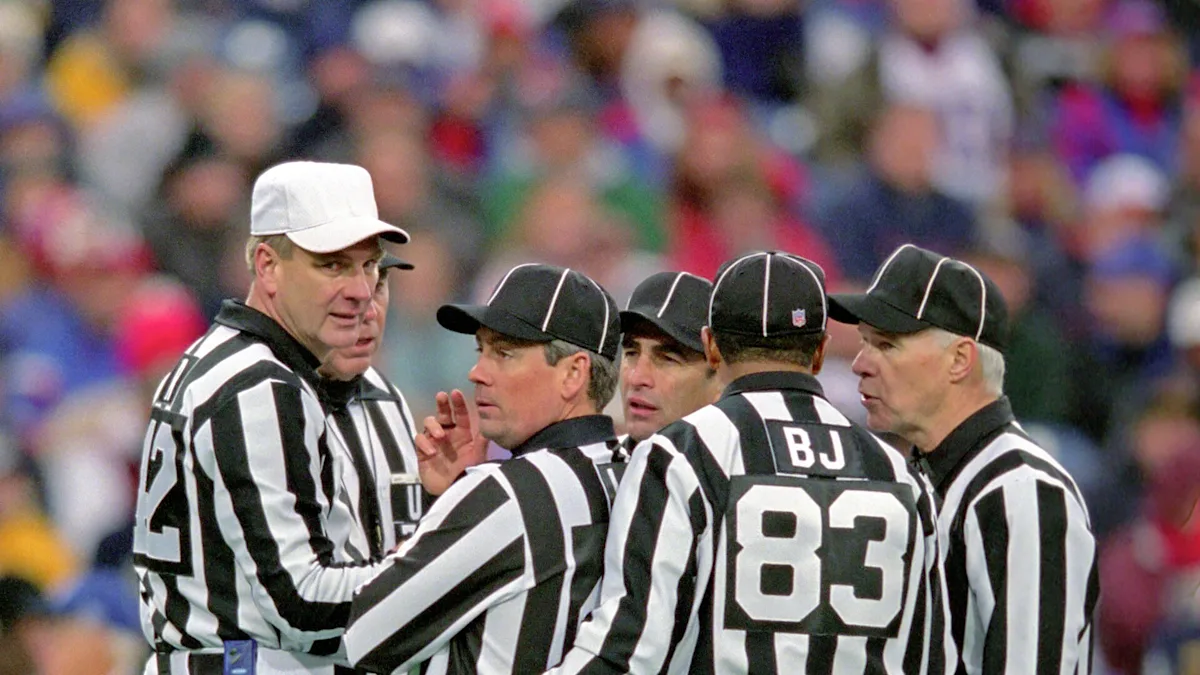
Football referees play one of the most important roles in the sport. While players and coaches often receive the most attention, referees are responsible for ensuring that matches are fair, safe, and played according to the rules.
In 2026, officiating has become more challenging than ever. The speed of the modern game, the introduction of technology, and constant scrutiny from fans and media have made refereeing one of the most demanding jobs in football.
Despite criticism and pressure, referees remain essential to the success and integrity of the game.
What Does a Football Referee Do?
The referee is responsible for enforcing the Laws of the Game.
Their duties include:
- Starting and stopping play
- Awarding free kicks and penalties
- Issuing yellow and red cards
- Managing player behavior
- Ensuring fair competition
Without referees, football matches could not function properly.
Assistant Referees and Officials
Modern matches involve several officials.
These include:
Assistant Referees
They help with:
- Offside decisions
- Throw-ins
- Fouls near the touchline
Fourth Officials
They manage:
- Substitutions
- Technical areas
- Communication with coaches
VAR Officials
They review important incidents using video technology.
Football officiating is now a team effort.
Why Refereeing Is So Difficult
Modern football is extremely fast.
Referees must make decisions within seconds while considering:
- Player positions
- Fouls
- Handballs
- Offside situations
One mistake can influence the outcome of an entire match.
Pressure from Players and Fans
Referees operate under constant pressure.
They face:
- Complaints from players
- Reactions from supporters
- Media criticism
- Social media attention
Maintaining concentration despite these distractions requires mental strength.
Fitness Requirements
Referees need excellent physical fitness.
During matches, they must:
- Run long distances
- Keep up with play
- Maintain concentration
- Position themselves correctly
Top referees train regularly just like professional players.
The Introduction of VAR
Video Assistant Referee (VAR) has changed officiating.
VAR helps review:
- Goals
- Penalty decisions
- Red cards
- Cases of mistaken identity
While VAR improves accuracy, it has also created new debates among fans.
Communication Skills Matter
Referees must communicate effectively with:
- Players
- Coaches
- Assistant referees
- Match officials
Good communication helps prevent conflicts and maintain control.
Training and Development
Becoming a referee requires extensive training.
Officials study:
- Football laws
- Match management
- Positioning
- Fitness and conditioning
Experience is crucial for handling difficult situations.
Technology in Officiating
Modern referees use technology such as:
- Communication headsets
- Goal-line technology
- VAR systems
- Electronic performance tracking
Technology supports officials in making accurate decisions.
Challenges Facing Referees
Referees continue facing several challenges.
Human Error
Mistakes are unavoidable.
Abuse and Criticism
Officials sometimes receive unfair treatment.
Increased Expectations
Fans expect perfection, especially with technology available.
Fast Pace of the Game
Modern football requires split-second decision-making.
These challenges make officiating more difficult than ever.
Why Respect for Referees Is Important
Respecting referees helps:
- Promote fair play
- Reduce conflict
- Improve sportsmanship
- Create a positive environment
Football depends on officials to maintain order and fairness.
Future of Football Officiating
Experts believe officiating will continue evolving.
Future developments may include:
- Faster VAR reviews
- AI-assisted decisions
- Enhanced communication systems
- Improved referee training
Technology will support referees, but human judgment will remain essential.
Conclusion
Football referees perform one of the most demanding roles in sports. They must make quick decisions, manage pressure, and ensure fair competition while facing intense scrutiny from players, coaches, and supporters.
As football continues evolving, referees and technology will work together to improve the accuracy and quality of officiating. Although mistakes will always be part of the game, referees remain indispensable to the sport’s success.
FAQs
1. What are the main responsibilities of a football referee?
Referees enforce the rules and manage the match.
2. Why is refereeing so difficult?
Because football is fast, and decisions often must be made instantly.
3. What does VAR review?
Goals, penalties, red cards, and mistaken identity situations.
4. Do referees train physically?
Yes. Top referees maintain high levels of fitness.
5. Will technology replace referees?
No. Technology will assist officials, but human judgment will remain important.


