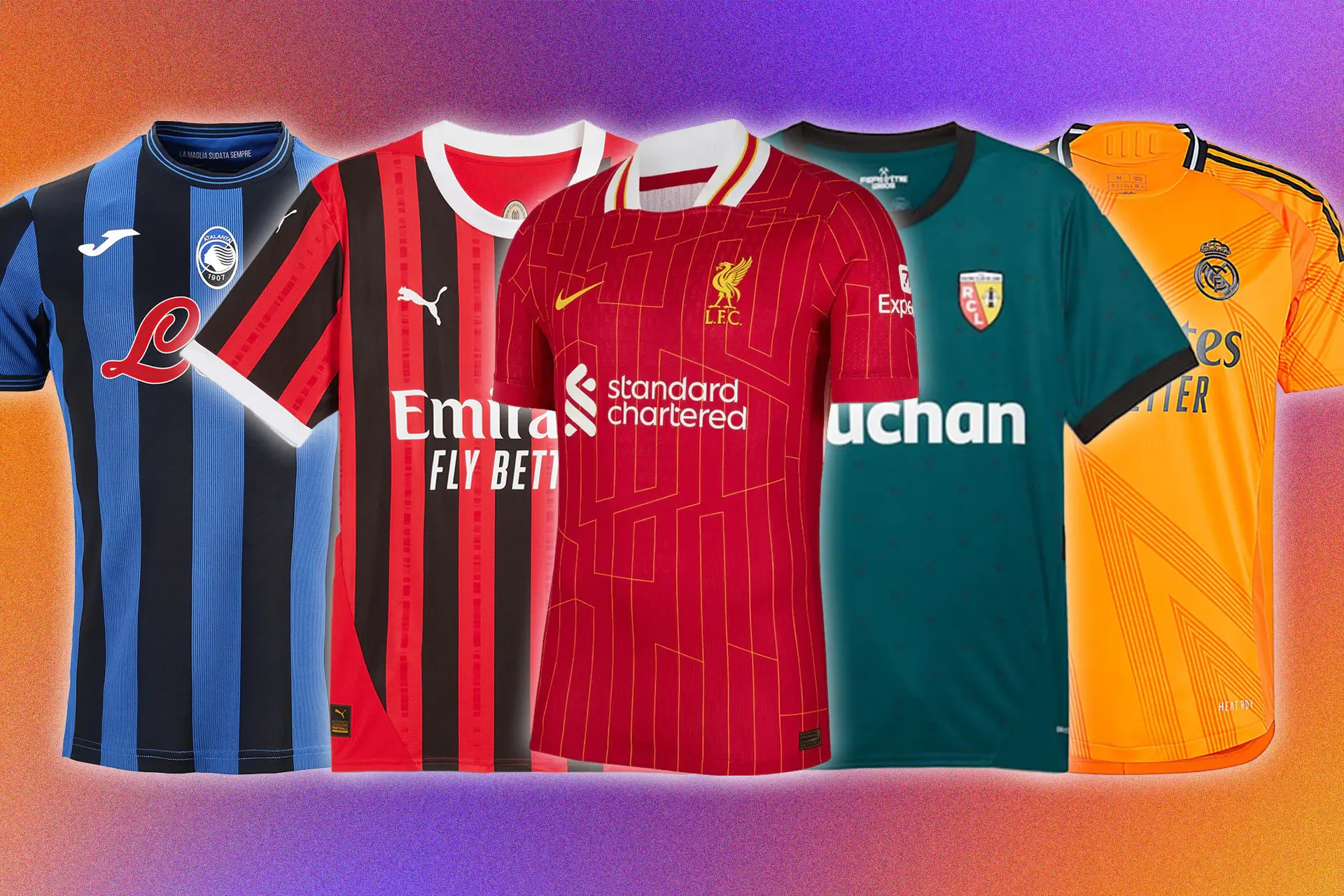
Football jerseys are much more than uniforms. They represent club identity, history, and pride for millions of supporters worldwide. In 2026, football jerseys have become a massive industry worth billions of dollars, combining fashion, technology, and marketing.
From simple cotton shirts worn in the early days of football to today’s high-tech designs, jerseys have evolved dramatically. Fans proudly wear their favorite team’s colors, while clubs generate enormous revenue through merchandise sales.
Modern football jerseys are symbols of loyalty and culture that connect generations of supporters.
The Early Days of Football Jerseys
In the late 19th century, football kits were very basic.
Players wore:
- Heavy cotton shirts
- Simple colors
- Long sleeves
- Minimal designs
The primary purpose was to distinguish teams rather than create stylish outfits.
Why Teams Wear Different Colors
Club colors became an important part of football identity.
Colors help:
- Differentiate teams
- Build traditions
- Create emotional connections
- Strengthen fan loyalty
Many famous clubs are instantly recognized by their unique colors.
Evolution of Materials
Football jerseys have changed significantly over time.
Modern kits use:
- Lightweight fabrics
- Moisture-control technology
- Stretch materials
- Breathable designs
These improvements increase player comfort and performance.
Home, Away, and Third Kits
Most clubs now have multiple uniforms.
Home Kits
Traditional colors worn in most matches.
Away Kits
Alternative colors used when necessary.
Third Kits
Special designs often created for commercial purposes.
Fans eagerly anticipate new kit releases every season.
Sponsorship Changed Football Jerseys
Sponsors have transformed football kits into advertising platforms.
Shirt sponsors provide:
- Financial support
- Global exposure
- Marketing opportunities
These partnerships generate billions of dollars for clubs around the world.
Football Jerseys and Fashion
Jerseys are no longer limited to matchdays.
Supporters wear them:
- Casually
- At events
- During travel
- As fashion statements
Football culture has become closely linked with modern fashion.
Collecting Classic Jerseys
Vintage football shirts are highly valued by collectors.
Fans search for:
- Historic designs
- Limited editions
- Signed jerseys
- Rare match-worn shirts
Some classic kits become valuable collector’s items.
Technology in Modern Jerseys
Today’s jerseys include advanced features.
Manufacturers focus on:
- Sweat control
- Improved ventilation
- Lightweight materials
- Durability
Technology helps players remain comfortable during intense matches.
Environmental Sustainability
Sportswear companies are becoming more environmentally conscious.
Many jerseys are now produced using:
- Recycled materials
- Sustainable manufacturing
- Reduced plastic waste
Eco-friendly designs are increasingly popular.
Limited Editions and Special Kits
Clubs regularly release:
- Anniversary kits
- Charity jerseys
- Collaboration collections
- Retro designs
These special editions often become favorites among supporters.
Why Fans Love Football Jerseys
Jerseys symbolize:
- Loyalty
- Identity
- Memories
- Passion
For many supporters, wearing a club shirt represents belonging to a larger community.
Economic Impact of Jersey Sales
Merchandise sales generate massive revenue.
Clubs use these funds to:
- Sign players
- Improve facilities
- Support youth academies
- Strengthen finances
Jersey sales are a major part of modern football business.
Future of Football Jerseys
Experts predict exciting innovations ahead.
Future developments may include:
- Smart fabrics
- Performance sensors
- Interactive designs
- Sustainable materials
Technology and fashion will continue shaping football apparel.
Conclusion
Football jerseys have evolved from simple uniforms into symbols of culture, fashion, and business. They connect players with supporters and represent some of the most recognizable brands in sports.
In 2026, football shirts are more popular than ever, combining advanced technology with tradition and style. Whether worn on the pitch or in everyday life, jerseys remain one of football’s most beloved symbols.
FAQs
1. Why do football clubs have different kits?
To distinguish teams and maintain club traditions.
2. What materials are used in modern jerseys?
Lightweight, breathable, and moisture-resistant fabrics.
3. Why are vintage jerseys valuable?
Because of their rarity and historical significance.
4. How do jersey sales help clubs?
They generate revenue used for players, facilities, and development.
5. Will football jerseys become more advanced?
Yes. Future kits may feature smart technology and sustainable materials.


