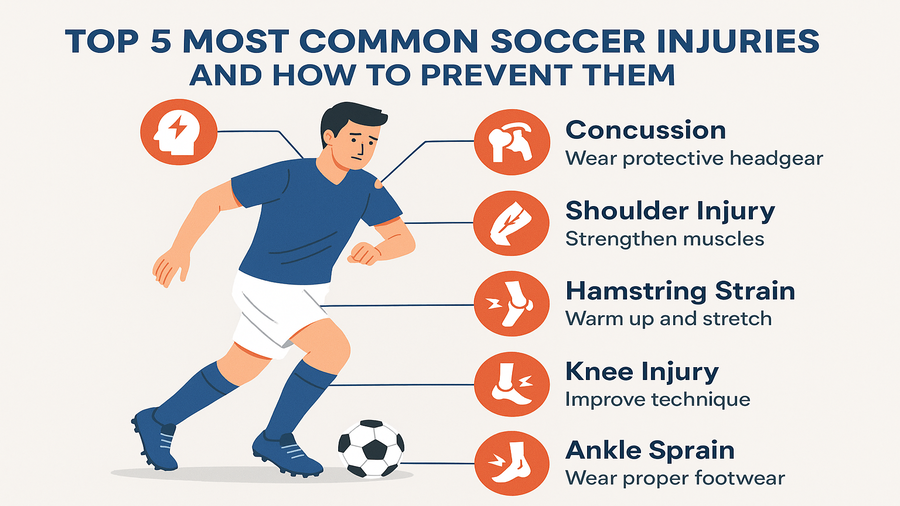
Football is one of the most physically demanding sports in the world. Players constantly run, sprint, tackle, jump, and change direction, which puts significant stress on the body. As a result, injuries are a common part of the game.
In 2026, advances in sports science, medicine, and rehabilitation have improved the way footballers recover from injuries. Professional clubs invest millions in medical teams, physiotherapists, and modern recovery techniques to keep players healthy and performing at their best.
Understanding football injuries helps fans appreciate the physical challenges athletes face throughout their careers.
Why Injuries Happen in Football
Football requires intense physical activity.
Common causes of injuries include:
- Tackles and collisions
- Overuse and fatigue
- Sudden movements
- Poor landing techniques
- Muscle strain
Even with proper preparation, injuries are sometimes unavoidable.
Muscle Strains
Muscle strains are among the most common football injuries.
They often affect:
- Hamstrings
- Quadriceps
- Calves
Symptoms include:
- Pain
- Tightness
- Reduced movement
Recovery usually involves rest, physiotherapy, and gradual return to training.
Ankle Injuries
Football players frequently suffer ankle injuries.
These may occur because of:
- Twisting movements
- Awkward landings
- Contact with opponents
Most minor ankle sprains heal with proper treatment and rehabilitation.
Knee Injuries
Knee injuries are some of the most serious problems in football.
Common knee issues include:
- Ligament damage
- Meniscus injuries
- Tendon problems
Severe knee injuries may require surgery and several months of rehabilitation.
Head Injuries and Concussions
Player safety has become increasingly important.
Head injuries can occur through:
- Collisions
- Headers
- Falls
Medical staff carefully monitor players for signs of concussion and prioritize long-term health.
Importance of Injury Prevention
Modern clubs focus heavily on prevention.
Preventive measures include:
- Strength training
- Warm-up exercises
- Flexibility programs
- Fitness monitoring
Preventing injuries is often easier than treating them.
The Role of Sports Science
Sports scientists help players remain healthy.
They analyze:
- Training workloads
- Fatigue levels
- Recovery patterns
- Physical performance
Technology helps identify potential injury risks before problems become serious.
Recovery and Rehabilitation
Recovering from injury requires patience and discipline.
Rehabilitation often includes:
- Physiotherapy
- Strength exercises
- Mobility training
- Controlled fitness sessions
Returning too quickly can increase the risk of re-injury.
Nutrition and Recovery
Diet plays an important role in healing.
Players focus on:
- Protein intake
- Hydration
- Vitamins and minerals
- Balanced meals
Good nutrition supports tissue repair and overall recovery.
Mental Challenges of Injuries
Injuries affect players emotionally as well as physically.
Athletes may experience:
- Frustration
- Stress
- Loss of confidence
- Anxiety
Sports psychologists often help players maintain a positive mindset during rehabilitation.
Technology in Injury Treatment
Modern medicine uses advanced technologies such as:
- MRI scans
- GPS tracking
- Recovery monitoring systems
- Performance analysis
These tools help medical teams create personalized recovery plans.
How Long Does Recovery Take?
Recovery times vary depending on the injury.
Minor injuries may heal within days or weeks.
Serious injuries can require:
- Several months
- Surgery
- Extensive rehabilitation
Patience is essential for a successful return.
Future of Football Medicine
Experts expect continued improvements in:
- Injury prevention
- Rehabilitation techniques
- AI-assisted analysis
- Personalized treatment
Medical science will continue helping players extend their careers.
Conclusion
Football injuries are an unavoidable part of the sport, but modern medicine and sports science have dramatically improved recovery and prevention. Through proper training, nutrition, rehabilitation, and medical care, players can overcome setbacks and return stronger.
As technology continues advancing, football medicine will play an even bigger role in protecting athletes and helping them perform at the highest level.
FAQs
1. What are the most common football injuries?
Muscle strains, ankle sprains, and knee injuries are among the most common.
2. Can football injuries be prevented?
While not all injuries can be avoided, proper training and recovery can reduce risks.
3. Why are knee injuries serious?
They often involve ligaments and may require surgery and lengthy rehabilitation.
4. Does nutrition affect recovery?
Yes. Proper nutrition helps the body heal more effectively.
5. How has technology improved injury treatment?
Modern tools allow doctors and sports scientists to monitor recovery and reduce injury risks.


