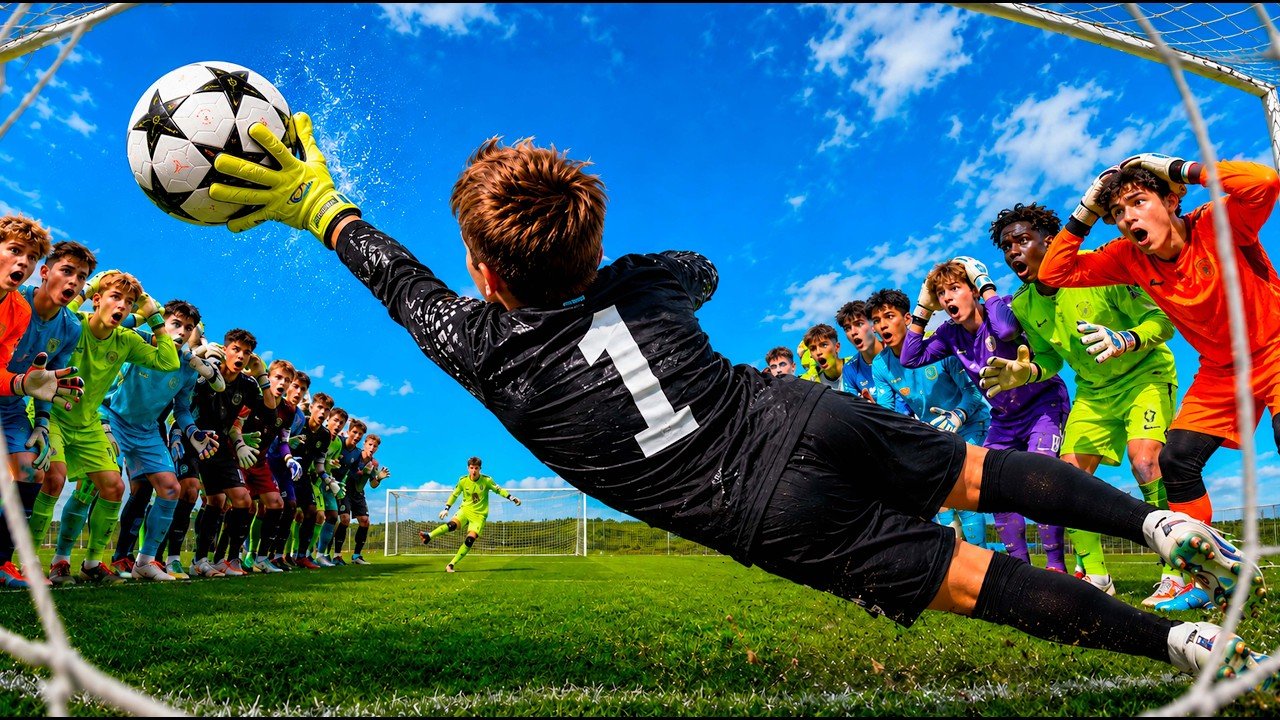
In football, goals win matches, but goalkeepers save them. Often called the last line of defense, goalkeepers have one of the most demanding and important roles on the pitch. In 2026, modern goalkeepers are expected to do much more than stop shots—they must also organize the defense, distribute the ball accurately, and even help build attacking plays.
The evolution of football has transformed the goalkeeper into a complete player who combines athletic ability, tactical awareness, leadership, and technical skill. A great goalkeeper can change the outcome of a match with a single save.
What Is the Role of a Goalkeeper?
The goalkeeper is the only player allowed to use their hands inside their own penalty area.
Their main responsibilities include:
- Saving shots
- Catching crosses
- Organizing defenders
- Starting attacks
- Communicating with teammates
A goalkeeper’s decisions often determine whether a team wins or loses.
Why Goalkeepers Are So Important
Every successful football team needs a reliable goalkeeper.
A quality goalkeeper provides:
- Confidence
- Stability
- Leadership
- Defensive security
Players feel more comfortable when they trust the person protecting the goal.
Essential Skills of a Modern Goalkeeper
Today’s goalkeepers need a wide range of abilities.
These include:
- Quick reflexes
- Strong positioning
- Excellent communication
- Accurate passing
- Fast decision-making
Modern football demands complete goalkeepers rather than just shot stoppers.
Shot-Stopping Ability
Making saves remains the goalkeeper’s most important task.
Goalkeepers train to stop:
- Long-range shots
- One-on-one situations
- Headers
- Penalties
- Close-range finishes
Excellent reflexes are essential at the highest level.
Ball Distribution
Modern goalkeepers help start attacks.
They distribute the ball using:
- Short passes
- Long passes
- Goal kicks
- Throws
Accurate distribution helps teams maintain possession and launch counterattacks.
Commanding the Penalty Area
Goalkeepers must control their penalty area.
Responsibilities include:
- Catching crosses
- Punching dangerous balls
- Organizing defenders
- Communicating during set pieces
Strong leadership reduces defensive mistakes.
Physical Fitness
Goalkeepers require excellent athleticism.
Training focuses on:
- Agility
- Jumping ability
- Strength
- Balance
- Flexibility
Fitness helps goalkeepers react quickly during crucial moments.
Mental Strength
The position requires exceptional concentration.
Goalkeepers must:
- Recover quickly after mistakes
- Stay focused for the entire match
- Handle pressure
- Remain confident
Mental resilience separates good goalkeepers from great ones.
Goalkeeper Equipment
Modern goalkeepers use specialized equipment such as:
- Goalkeeper gloves
- Padded jerseys
- Protective shorts
- Football boots designed for grip
High-quality equipment improves both safety and performance.
Technology in Goalkeeper Training
Professional clubs now use advanced technology.
Training includes:
- Video analysis
- Reaction-light systems
- GPS tracking
- AI performance analysis
Technology helps goalkeepers improve decision-making and positioning.
Common Challenges
Goalkeepers face unique challenges.
These include:
High Pressure
One mistake can lead directly to a goal.
Constant Concentration
They must remain alert even when rarely involved.
Physical Contact
Goalkeepers often face collisions during crosses and corners.
Public Criticism
Errors are frequently highlighted by fans and media.
Despite these challenges, goalkeepers continue to play one of football’s most respected positions.
Future of Goalkeeping
Experts expect goalkeeping to continue evolving.
Future developments may include:
- AI-assisted performance analysis
- Smart goalkeeper gloves
- Advanced reaction training
- Enhanced sports science programs
Technology will continue helping goalkeepers improve every aspect of their game.
Conclusion
Goalkeepers are much more than players who stop shots. They lead defenses, start attacks, organize teammates, and often become the difference between victory and defeat. Modern football has made the goalkeeper one of the most complete and demanding positions on the field.
As technology, coaching, and sports science continue advancing, goalkeepers will become even more skilled and influential. While strikers often receive the headlines, every great team knows that success begins with a dependable goalkeeper.
FAQs
1. What is the main job of a goalkeeper?
To prevent the opposing team from scoring by saving shots and protecting the goal.
2. Why are modern goalkeepers expected to pass well?
Because they help build attacks and maintain possession from the back.
3. What skills make a great goalkeeper?
Reflexes, positioning, communication, confidence, and decision-making.
4. Do goalkeepers train differently from other players?
Yes. They focus on reaction speed, handling, jumping, and specialized goalkeeping techniques.
5. Will technology improve goalkeeping in the future?
Yes. AI, performance analysis, and advanced training systems are expected to further develop goalkeepers’ abilities.


