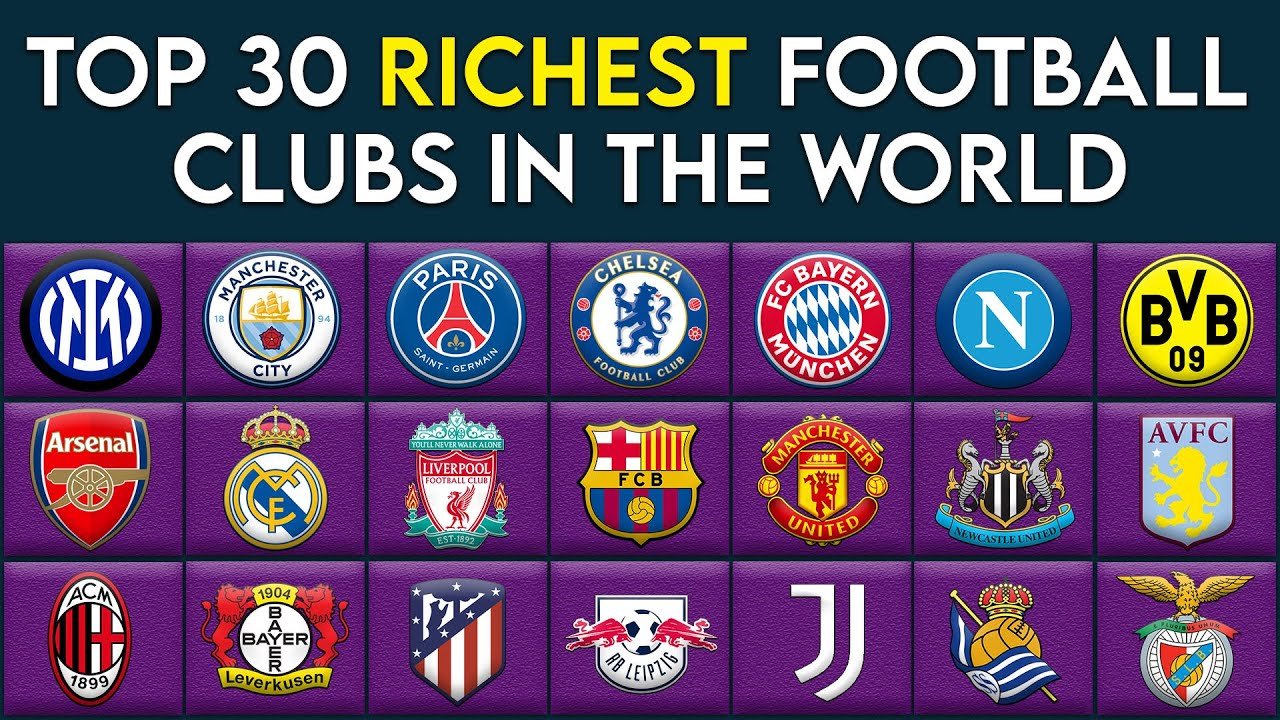
Football is not only the world’s most popular sport but also one of the biggest industries on the planet. In 2026, the richest football clubs generate billions of dollars through broadcasting rights, sponsorships, merchandise sales, and matchday revenue.
Financial power allows clubs to sign top players, build modern stadiums, and invest in youth academies. However, success in football is not determined solely by money. Smart management and long-term planning are equally important.
Understanding how football clubs make money helps explain why certain teams remain among the strongest in the world year after year.
Why Some Football Clubs Are So Rich
The biggest clubs benefit from:
- Global fan bases
- Commercial partnerships
- Television rights
- Merchandise sales
- Successful performances
These factors help clubs generate enormous income.
Broadcasting Rights
Television and streaming deals are among the largest sources of revenue.
Clubs earn money from:
- Domestic leagues
- International competitions
- Streaming platforms
- Global television contracts
Broadcasting agreements are worth billions of dollars every season.
Matchday Revenue
Home matches generate substantial income.
Clubs earn through:
- Ticket sales
- Hospitality packages
- Food and beverages
- VIP experiences
Large stadiums provide major financial advantages.
Sponsorship Deals
Brands invest heavily in football.
Clubs sign agreements with:
- Airlines
- Technology companies
- Sportswear manufacturers
- Financial institutions
Sponsorships provide clubs with hundreds of millions of dollars annually.
Merchandise Sales
Football supporters buy:
- Jerseys
- Scarves
- Hats
- Training gear
- Collectibles
Popular clubs sell millions of products every year.
Digital and Social Media Growth
Modern clubs have enormous online audiences.
Digital platforms help clubs:
- Reach international fans
- Promote sponsors
- Sell merchandise
- Increase brand value
Social media has become an important business tool.
Success on the Pitch Increases Revenue
Winning trophies often leads to:
- Higher prize money
- More sponsorship opportunities
- Increased fan support
- Greater global exposure
Success and revenue often strengthen each other.
Stadium Development
Modern stadiums generate money through:
- Football matches
- Concerts
- Tours
- Corporate events
Many clubs use stadiums as year-round business assets.
Youth Academies Save Money
Developing young players provides several advantages.
Academies help clubs:
- Produce future stars
- Reduce transfer costs
- Generate transfer income
- Build long-term success
Youth development remains a smart financial strategy.
Challenges Facing Rich Clubs
Even wealthy clubs face problems.
Rising Player Salaries
Elite footballers command enormous wages.
Expensive Transfer Fees
Competition for talent increases costs.
Financial Regulations
Clubs must comply with financial rules.
Fan Expectations
Supporters expect constant success.
Managing finances responsibly is essential.
Technology and Business Operations
Modern clubs use technology for:
- Marketing
- Data analysis
- Ticketing systems
- Fan engagement
Technology helps increase efficiency and revenue.
Global Expansion
Rich clubs target international markets.
They attract supporters through:
- Social media
- Preseason tours
- Merchandise stores
- Digital platforms
Global audiences significantly increase club value.
Future of Football Business
Experts predict continued growth through:
- Streaming services
- AI-powered marketing
- Virtual fan experiences
- Digital memberships
Football clubs are becoming global entertainment brands.
Why Money Alone Is Not Enough
Financial strength is important, but success also depends on:
- Good leadership
- Strong coaching
- Effective recruitment
- Team chemistry
Many clubs with smaller budgets have achieved remarkable success through smart management.
Conclusion
The richest football clubs in 2026 are global businesses that generate massive revenue from broadcasting, sponsorships, merchandise, and fan engagement. Financial power provides advantages, but sustainable success requires smart decisions and effective management.
As football continues evolving, clubs will increasingly combine business innovation with sporting excellence to remain competitive on and off the pitch.
FAQs
1. How do football clubs make most of their money?
Through broadcasting rights, sponsorships, ticket sales, and merchandise.
2. Why are sponsorships important?
They provide clubs with significant financial support and global exposure.
3. How do stadiums generate revenue?
Through matches, concerts, tours, and corporate events.
4. Why are youth academies valuable?
They help develop players and reduce transfer spending.
5. Is money enough to guarantee success?
No. Leadership, coaching, and smart planning are equally important.


