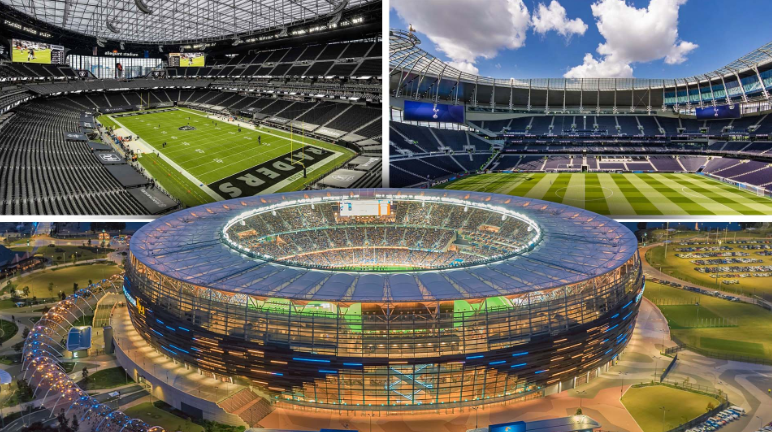
Football stadiums have evolved dramatically over the years. What were once simple venues with basic seating have become technological masterpieces capable of hosting tens of thousands of fans in comfort and safety. In 2026, stadiums are no longer just places to watch football. They are entertainment hubs designed to deliver unforgettable experiences.
Modern football clubs are investing billions of dollars into building and upgrading stadiums. These venues now feature advanced technology, improved security, sustainable designs, and interactive fan experiences that were unimaginable just a decade ago.
The future of football is not only happening on the pitch. It is also happening in the stadiums where fans gather to support their teams.
Why Stadiums Are Important
A stadium is more than a football venue.
It serves as:
- A home for the club
- A gathering place for supporters
- A source of revenue
- A symbol of team identity
Many football fans consider their club’s stadium to be a sacred place filled with memories and tradition.
Smart Stadium Technology
Modern stadiums are becoming smarter every year.
New features include:
- Digital ticketing
- Facial recognition systems
- High-speed Wi-Fi
- Mobile food ordering
- Smart parking solutions
These innovations help improve convenience and reduce waiting times for supporters.
Enhanced Fan Experience
Football clubs want fans to enjoy every moment of their visit.
Modern stadiums now offer:
- Giant HD screens
- Interactive displays
- Virtual reality experiences
- Live statistics
- Mobile applications
Fans can access match information instantly while remaining connected throughout the event.
Sustainable Stadium Design
Environmental responsibility is becoming a major priority.
Many new stadiums use:
- Solar energy
- Rainwater collection systems
- Energy-efficient lighting
- Recyclable materials
Sustainability helps reduce environmental impact while lowering operating costs.
Improved Safety and Security
Security technology has advanced significantly.
Modern stadiums feature:
- AI-powered surveillance
- Smart crowd management
- Emergency response systems
- Advanced entry screening
These measures help create safer environments for supporters.
Premium Seating and Hospitality
Many stadiums now offer luxury experiences.
These include:
- VIP lounges
- Premium seating areas
- Private suites
- Fine dining services
Such facilities generate additional revenue while enhancing comfort for guests.
The Role of Artificial Intelligence
AI is becoming increasingly important in stadium operations.
It can help with:
- Crowd flow management
- Security monitoring
- Ticket demand forecasting
- Facility maintenance
This technology allows stadium operators to improve efficiency and fan satisfaction.
Stadiums as Entertainment Centers
Modern football venues host more than matches.
Many stadiums are used for:
- Concerts
- Community events
- Conferences
- Exhibitions
This helps clubs maximize the use of their facilities throughout the year.
Economic Benefits
Large stadium projects can benefit local economies.
They create:
- Employment opportunities
- Tourism growth
- Business development
- Infrastructure improvements
Successful stadiums often become major landmarks within their cities.
Challenges of Building Modern Stadiums
Despite their benefits, stadium projects face challenges.
These include:
High Construction Costs
Modern stadiums require significant investment.
Maintenance Expenses
Large facilities are expensive to operate.
Environmental Concerns
Construction projects must consider sustainability.
Community Impact
Developers must balance local interests with commercial goals.
The Future of Football Stadiums
Experts predict exciting developments in coming years.
Future stadiums may feature:
- Fully automated services
- AI-powered fan experiences
- Augmented reality displays
- Carbon-neutral operations
- Advanced smart infrastructure
Technology will continue transforming how fans experience football.
Conclusion
Football stadiums are entering a new era of innovation. Smart technology, sustainability, enhanced security, and improved fan experiences are changing the way supporters enjoy the sport. Modern stadiums are no longer simply places to watch matches. They are becoming entertainment destinations that combine football, technology, and community engagement.
As clubs continue investing in the future, stadiums will play an increasingly important role in shaping the global football experience.
FAQs
1. What is a smart football stadium?
A stadium that uses advanced technology to improve operations and fan experiences.
2. Why are modern stadiums investing in sustainability?
To reduce environmental impact and lower operating costs.
3. How does AI help stadiums?
AI assists with security, crowd management, maintenance, and customer service.
4. Do stadiums generate revenue beyond football matches?
Yes. Many host concerts, events, and other activities.
5. What might future football stadiums look like?
They may include AI systems, augmented reality features, and fully automated services.


