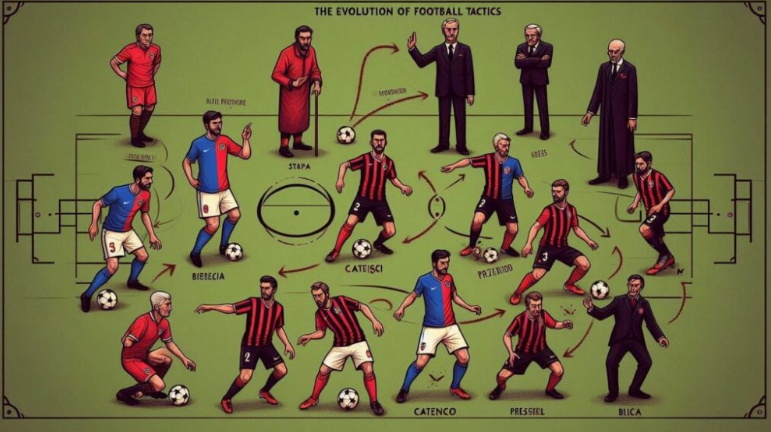
Football has changed dramatically over the last century. While the basic objective of the game remains the same, the tactics used by teams have evolved significantly. Coaches constantly search for new ways to gain an advantage, leading to innovations that shape how football is played.
In 2026, tactics are more sophisticated than ever. Teams use data analysis, video technology, and advanced coaching methods to develop strategies. Modern football is faster, more organized, and more tactical than previous generations.
Understanding football tactics helps fans appreciate the intelligence and planning behind every match.
What Are Football Tactics?
Football tactics are the strategies teams use to attack, defend, and control matches.
They include:
- Formations
- Pressing systems
- Defensive organization
- Passing patterns
- Set-piece routines
Good tactics help teams maximize their strengths and minimize weaknesses.
Early Football Formations
In the early days of football, teams focused almost entirely on attacking.
One popular formation was:
2-3-5 Formation
This setup included five forwards and emphasized scoring goals.
Defending received far less attention than it does today.
As football became more competitive, teams began developing more balanced systems.
The Rise of Defensive Organization
Coaches eventually realized that strong defending was just as important as attacking.
New formations helped teams:
- Protect leads
- Control space
- Reduce opponent chances
This shift marked the beginning of modern tactical thinking.
The Famous 4-4-2 Formation
For many years, the 4-4-2 became one of football’s most popular systems.
Advantages included:
- Defensive stability
- Balanced midfield
- Simple organization
- Effective teamwork
Many successful clubs and national teams used this formation.
The Emergence of Possession Football
As football evolved, coaches increasingly focused on controlling possession.
The philosophy emphasized:
- Short passing
- Movement off the ball
- Patience
- Technical skill
Teams sought to dominate matches by keeping possession rather than relying solely on physical play.
High Pressing Systems
Modern football often involves pressing opponents aggressively.
High pressing aims to:
- Win the ball quickly
- Disrupt attacks
- Force mistakes
- Create scoring opportunities
This style requires excellent fitness and teamwork.
Many top teams use pressing as a key tactical weapon.
Flexible Modern Formations
Today’s teams rarely stay in one shape throughout a match.
Common modern formations include:
- 4-3-3
- 3-4-3
- 4-2-3-1
- 3-5-2
Players frequently change positions depending on the situation.
Flexibility has become a major part of tactical success.
The Role of Midfielders
Midfielders are often considered the engine of a football team.
Their responsibilities include:
- Creating attacks
- Maintaining possession
- Supporting defense
- Controlling tempo
Modern tactical systems rely heavily on intelligent midfield play.
Data and Analytics in Tactical Planning
Technology has transformed tactical preparation.
Coaches now analyze:
- Passing patterns
- Defensive positioning
- Player movement
- Opponent tendencies
This information helps teams prepare more effectively for matches.
Set-Piece Strategies
Set pieces have become increasingly important.
Teams dedicate significant time to:
- Corners
- Free kicks
- Throw-ins
- Penalties
Well-designed set-piece routines can decide important matches.
How Technology Is Influencing Tactics
Modern coaching uses advanced tools such as:
- Video analysis
- GPS tracking
- AI-assisted insights
- Performance statistics
Technology allows coaches to make more informed decisions.
The Future of Football Tactics
Experts expect tactical innovation to continue.
Future developments may include:
- AI-assisted game planning
- Real-time tactical analysis
- Enhanced player tracking
- More specialized roles
Football tactics will likely become even more detailed and sophisticated.
Why Tactics Matter
Tactics can help teams:
- Compete against stronger opponents
- Control matches
- Improve efficiency
- Maximize player strengths
Many famous victories have been achieved through superior tactical planning rather than superior talent alone.
Conclusion
Football tactics have evolved from simple attacking formations to highly sophisticated systems driven by analysis, technology, and innovation. Modern coaches must understand strategy, psychology, fitness, and data to succeed.
As the game continues to evolve, tactical development will remain one of the most fascinating aspects of football. Fans may celebrate goals and trophies, but behind every successful team is a carefully designed tactical plan.
FAQs
1. What are football tactics?
They are strategies used by teams to attack, defend, and control matches.
2. What is the most common modern formation?
The 4-3-3 and 4-2-3-1 are among the most popular formations today.
3. Why is pressing important?
It helps teams win possession and disrupt opponents quickly.
4. How does technology help tactics?
It provides data and analysis that improve decision-making.
5. Will football tactics continue evolving?
Yes. New technology and coaching methods will continue shaping the game.


