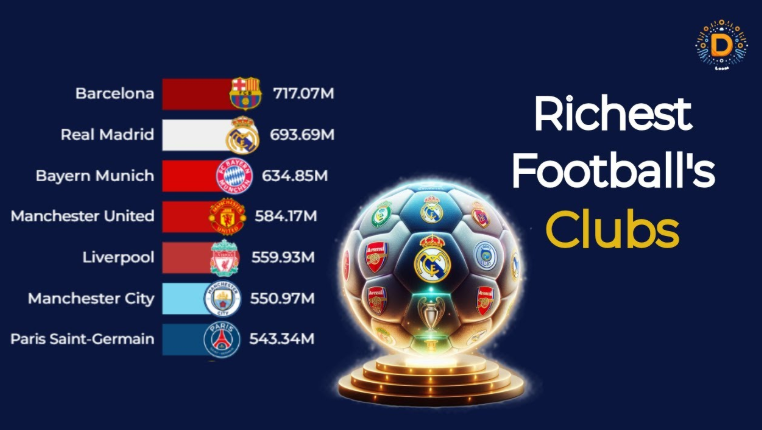
Football is no longer just a sport. It has become one of the largest industries in the world. In 2026, top football clubs generate billions of dollars through broadcasting rights, sponsorships, Amerchandise sales, ticket revenue, and digital platforms.
Many fans focus on what happens on the pitch, but behind every successful club is a massive business operation. Football clubs employ thousands of people and operate similarly to large international companies.
Understanding how clubs earn money helps explain why football continues to grow globally.
Football as a Global Business
Modern football clubs are global brands.
They attract:
- Millions of fans
- Corporate sponsors
- Television networks
- Investors
- Commercial partners
Some clubs have supporters in nearly every country, allowing them to generate revenue worldwide.
Broadcasting Rights
One of the biggest income sources for football clubs is television broadcasting.
Broadcasters pay enormous amounts to show:
- League matches
- Cup competitions
- International tournaments
These deals generate billions of dollars annually.
The larger a league’s audience, the more valuable its broadcasting rights become.
Sponsorship Revenue
Major companies invest heavily in football sponsorships.
Popular sponsorship categories include:
- Airlines
- Technology companies
- Financial institutions
- Sportswear brands
- Automobile manufacturers
Sponsors benefit from the global exposure football provides.
For clubs, sponsorship agreements can be worth hundreds of millions of dollars.
Matchday Revenue
Every home match generates income.
Sources include:
- Ticket sales
- VIP hospitality packages
- Food and beverages
- Stadium tours
Large stadiums can generate significant revenue throughout the season.
Merchandise Sales
Football fans love supporting their teams through merchandise.
Popular products include:
- Jerseys
- Scarves
- Hats
- Training gear
- Collectibles
Successful clubs sell millions of items each year.
Digital and Social Media Growth
The internet has created new revenue opportunities.
Football clubs earn through:
- Digital memberships
- Online content
- Streaming platforms
- Social media partnerships
A strong online presence helps clubs connect with global audiences.
Player Transfers
Transfers can also impact club finances.
Some clubs generate profits by:
- Developing young players
- Selling talent
- Managing recruitment efficiently
Smart transfer strategies can strengthen both teams and finances.
Stadium Development
Modern stadiums are major business assets.
New venues often include:
- Retail stores
- Restaurants
- Conference facilities
- Entertainment areas
This allows clubs to earn money beyond football matches.
Challenges Facing Football Finances
Despite huge revenues, clubs face risks.
Rising Salaries
Player wages continue increasing.
Transfer Spending
Transfer fees can place pressure on budgets.
Financial Regulations
Many competitions now enforce financial rules.
Economic Uncertainty
Global economic changes can affect sponsorship and investment.
Clubs must manage finances carefully to remain sustainable.
The Role of Club Owners
Owners often play a major role in club growth.
They may invest in:
- Stadium projects
- Youth academies
- Player recruitment
- Infrastructure improvements
Successful ownership can help clubs compete at the highest level.
Future of Football Economics
Experts expect football revenues to continue growing.
Future opportunities include:
- Expanded global audiences
- New media platforms
- Enhanced fan experiences
- Digital innovations
- International partnerships
Football remains one of the fastest-growing sports industries in the world.
Why Financial Management Matters
Strong financial planning helps clubs:
- Remain competitive
- Invest in players
- Improve facilities
- Support long-term success
Even wealthy clubs must manage resources responsibly.
Conclusion
Football clubs in 2026 are far more than sports teams. They are global businesses generating billions through broadcasting, sponsorships, merchandise, ticket sales, and digital platforms. Financial success allows clubs to attract top players, improve facilities, and expand internationally.
As football continues growing, economics will play an increasingly important role in determining which clubs succeed both on and off the pitch. Understanding the business side of football reveals why the sport has become one of the world’s most powerful industries.
FAQs
1. What is the biggest source of revenue for football clubs?
Broadcasting rights are often the largest source of income.
2. How do clubs make money from fans?
Through tickets, merchandise, memberships, and digital content.
3. Why are sponsorships important?
They provide significant financial support and global visibility.
4. Can player transfers generate profits?
Yes. Many clubs earn money by developing and selling talented players.
5. Will football revenues continue growing?
Most experts believe the industry will continue expanding in the coming years.


