Some human behaviors are so subtle that people don’t even realize they’re doing them—until someone points them out. One such behavior is “cricketing.” While the word might sound unusual at first, it refers to a very common habit that many people experience, often without giving it much thought.
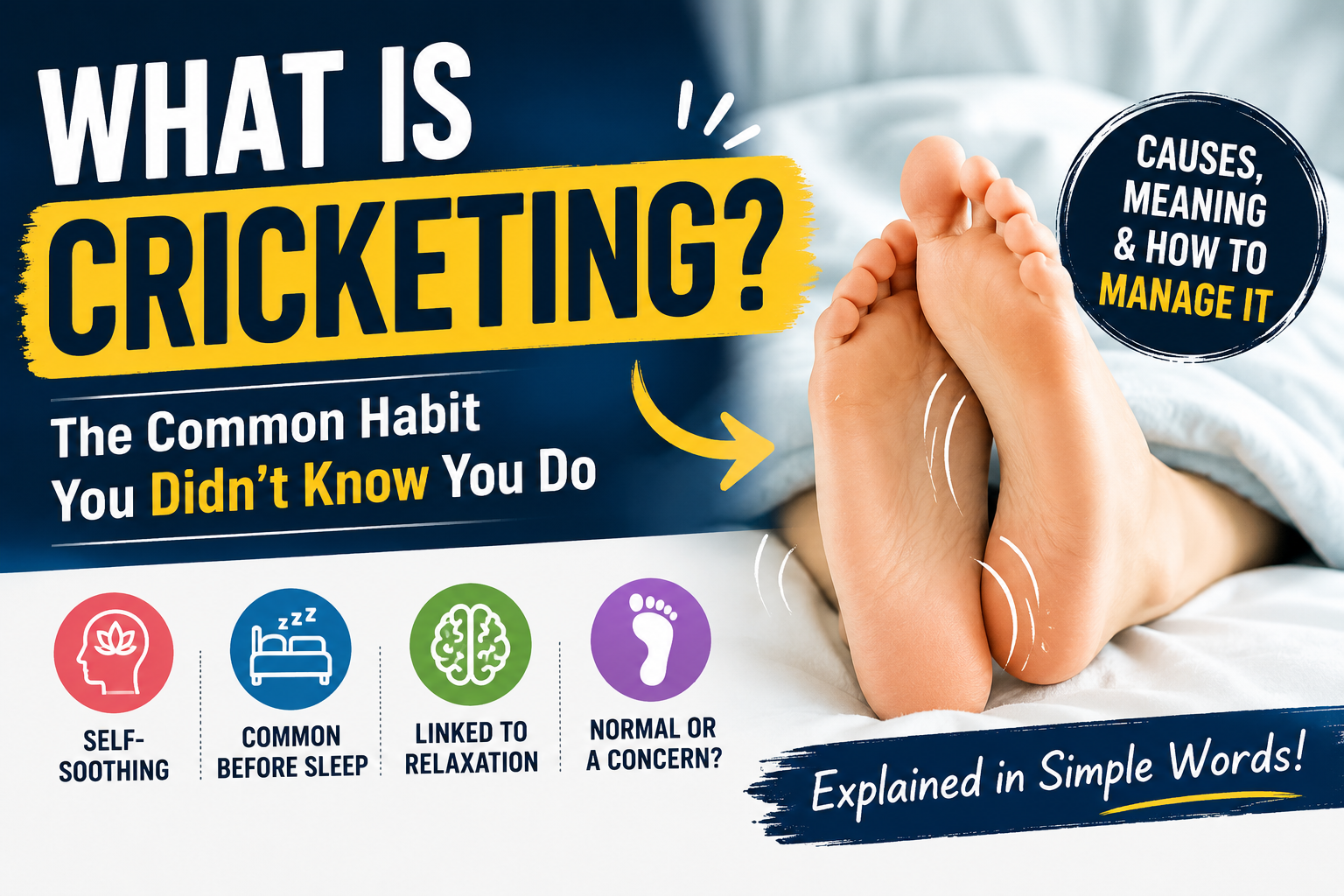
Cricketing usually involves rubbing one foot against the other, often while lying down, relaxing, or trying to fall asleep. For some, it feels comforting. For others, it’s simply an unconscious movement. Because it’s not widely discussed, many people wonder if it’s normal, what causes it, and whether it signals something deeper.
Understanding cricketing can help remove confusion and provide clarity about what your body might be doing—and why.
What Is Cricketing?
Cricketing is a repetitive motion where a person rubs their feet together, typically in a rhythmic or soothing way. The name comes from the similarity to how crickets rub their legs together to produce sound.
This behavior often happens:
- While lying in bed
- During relaxation or downtime
- When feeling tired or sleepy
- Without conscious awareness
It’s usually gentle and repetitive, and many people only notice it after someone else mentions it.
Why Do People “Cricket”?
There isn’t a single reason why people engage in cricketing. Instead, it’s often linked to a combination of physical comfort, habit, and emotional regulation.
1. Self-Soothing Behavior
Cricketing is commonly associated with relaxation. The repetitive motion can have a calming effect on the body, similar to other soothing habits like tapping fingers or rocking slightly.
The sensation of fabric or skin rubbing together can provide mild sensory comfort, helping the body unwind.
2. Habit Formed Over Time
For many people, cricketing begins in childhood and continues into adulthood. Over time, it becomes an automatic behavior—something the body does without conscious thought.
Once a habit like this is established, it can persist even if there’s no clear reason behind it.
3. Sensory Preference
Some individuals are more sensitive to touch and texture. For them, cricketing may simply feel pleasant or satisfying.
The gentle pressure and movement can stimulate nerves in a way that feels relaxing.
4. Response to Stress or Restlessness
In some cases, cricketing may appear during periods of stress, anxiety, or restlessness
However, this doesn’t mean it is always linked to anxiety—it can also occur in completely calm situations.
When Does Cricketing Usually Happen?
Cricketing tends to occur in situations where the body is at rest.
Common Times
- Before sleep: Many people notice it when trying to fall asleep
- While watching TV or relaxing: It often happens during passive activities
- During quiet moments: When the mind is less occupied
Because it’s subtle, people may not even realize how often it occurs.
Is Cricketing Normal?
Yes, in most cases, cricketing is completely normal.
It’s generally considered a harmless habit, especially when:
- It doesn’t interfere with sleep
- It doesn’t cause physical discomfort
- It isn’t compulsive or uncontrollable
Many everyday behaviors—like tapping a foot or twirling hair—serve similar purposes and are not considered problematic.
Common Misunderstandings About Cricketing
“It Means Something Is Wrong”
One of the biggest concerns people have is whether cricketing indicates a medical issue. In most cases, it does not. It’s usually just a harmless behavioral pattern.
“Only Anxious People Do It”
While cricketing can sometimes appear during stress, it’s not limited to anxiety. Many people do it simply because it feels comfortable.
“It’s the Same as a Disorder”
Cricketing is not the same as conditions like restless leg syndrome. Those conditions typically involve discomfort, urgency, or difficulty staying still, which is different from gentle, voluntary movement.
Cricketing vs. Similar Behaviors
It’s helpful to understand how cricketing differs from other movements.
Cricketing vs. Restless Leg Movements
- Cricketing: Gentle, rhythmic, often calming
- Restless movements: Urgent, uncomfortable, harder to control
Cricketing vs. Fidgeting
- Cricketing: Usually happens at rest, especially lying down
- Fidgeting: More common during activity or concentration
These differences can help you better understand what your body is doing.
Step-by-Step: How to Recognize Cricketing
If you’re unsure whether you or someone else engages in cricketing, here’s a simple way to identify it:
- Notice foot movement while resting
Pay attention when lying down or relaxing. - Look for repetitive rubbing
The motion is usually gentle and rhythmic. - Check awareness
Many people do it without realizing. - Observe the context
It often appears during calm or sleepy moments.
If these signs match, it’s likely cricketing.
When Should You Pay Attention?
Although cricketing is usually harmless, there are situations where it may be worth paying closer attention.
Possible Concerns
- It disrupts your sleep regularly
- It feels uncontrollable or intense
- It’s accompanied by discomfort or pain
- It causes irritation for you or your partner
If any of these apply, it may be helpful to look deeper into the cause.
Practical Advice for Managing Cricketing
If cricketing doesn’t bother you, there’s no need to stop it. However, if you want to reduce or manage it, there are simple approaches you can try.
1. Improve Sleep Comfort
- Use soft, breathable bedding
- Adjust room temperature
- Wear comfortable clothing
Comfort can reduce the need for repetitive soothing behaviors.
2. Build Relaxation Routines
- Practice calm breathing before bed
- Limit screen time at night
- Create a consistent sleep schedule
A relaxed body may rely less on repetitive movement.
3. Stay Physically Active
Regular movement during the day can reduce restlessness at night.
4. Be Aware of Triggers
If cricketing increases during stress, addressing the underlying cause may help reduce the habit.
FAQs About Cricketing
Is cricketing harmful?
No, it’s usually harmless and simply a natural behavior.
Can children and adults both do it?
Yes, it can occur at any age.
Does it need treatment?
Not unless it causes discomfort or interferes with daily life.
Can it be stopped?
Yes, with awareness and small habit changes, but stopping isn’t necessary unless it becomes a problem.
Conclusion
Cricketing is a small, often unnoticed behavior that many people experience. While it may seem unusual at first, it’s typically just a natural, soothing habit rather than a sign of something serious.
By understanding why it happens and how it fits into normal human behavior, you can approach it with clarity instead of concern. In most cases, it’s simply your body’s quiet way of relaxing—nothing more, nothing less.