When people think about roofing, they usually focus on shingles, tiles, or leaks. However, some of the most important parts of a roof are the small design features that quietly prevent problems before they start. One of these features is a roof cricket.
A roof cricket may not be something most homeowners notice, but it plays a key role in protecting a house from water damage. Without it, water can collect in vulnerable areas of the roof, increasing the risk of leaks, mold, and structural deterioration. Understanding what a roof cricket is—and why it’s used—can help homeowners make better decisions about roof maintenance, repairs, and construction.
What Is a Roof Cricket?
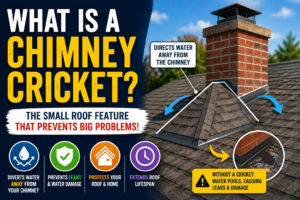
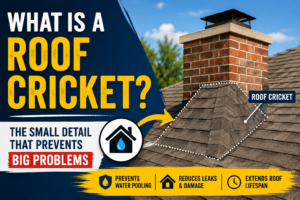
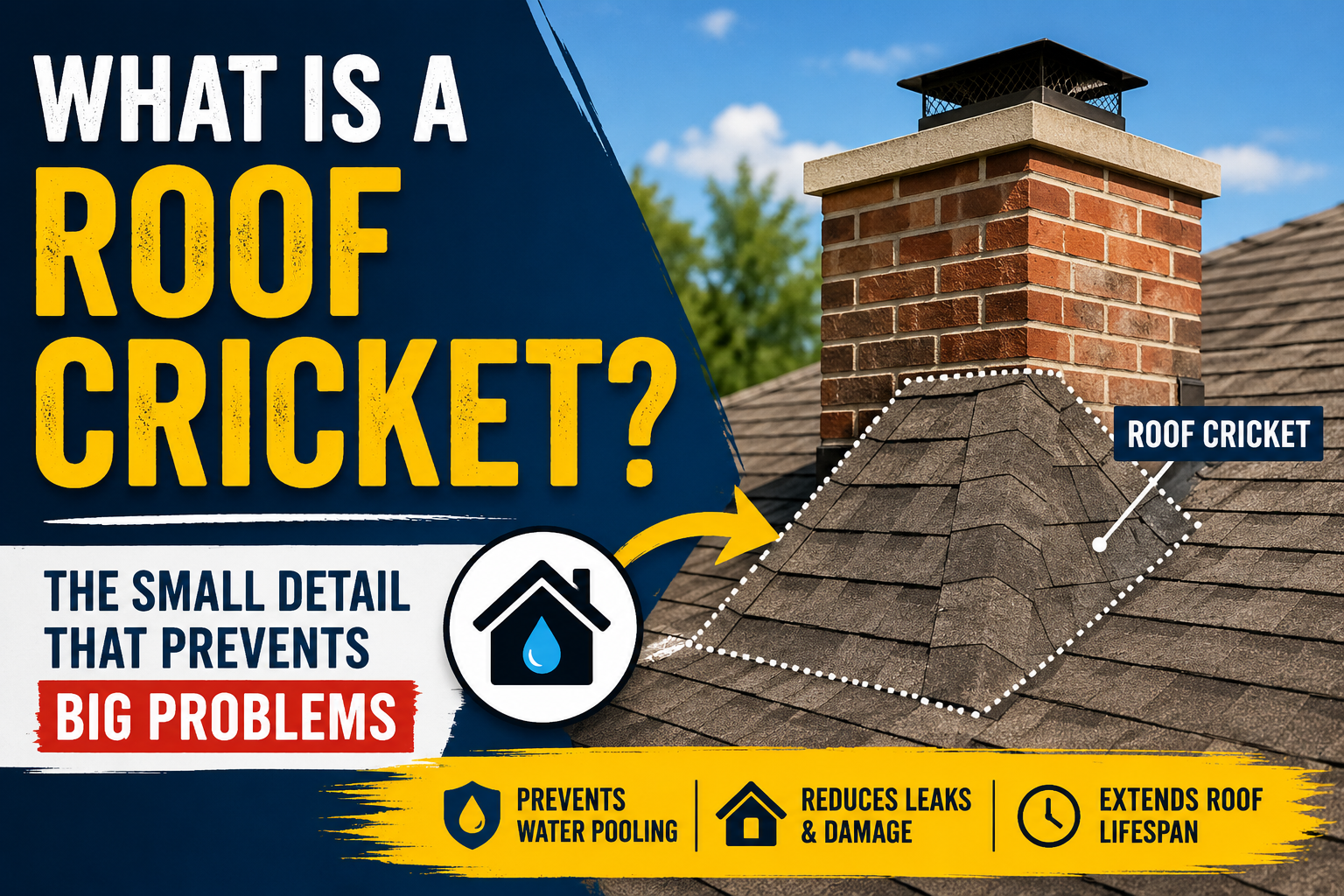
A roof cricket is a small, peaked structure built on the high side of a roof feature, such as a chimney, skylight, or vent. Its purpose is to divert water away from these vertical structures and guide it toward the main drainage path of the roof.
In simple terms, a roof cricket acts like a miniature roof within a roof.
Where You’ll Typically Find Roof Crickets
Roof crickets are commonly installed behind:
- Chimneys
- Skylights
- Dormers
- Large roof penetrations
These areas tend to interrupt the natural flow of water, making them more vulnerable to water buildup.
Why Are Roof Crickets Important?
Even a small amount of standing water can lead to long-term damage. Roof crickets help solve this problem by improving water drainage.
Key Benefits
1. Prevents Water Pooling
Without a cricket, water can collect behind chimneys or other structures. Over time, this standing water can seep into roofing materials.
2. Reduces Leak Risk
By directing water away from seams and joints, roof crickets lower the chance of leaks forming in weak spots.
3. Extends Roof Lifespan
Proper drainage reduces wear and tear on roofing materials, helping the roof last longer.
4. Improves Structural Protection
Water that seeps into the roof can eventually affect the underlying wood and insulation. Crickets help prevent this chain reaction.
How a Roof Cricket Works
A roof cricket works by using angled slopes to redirect water flow.
Step-by-Step Function
- Water flows down the roof naturally due to gravity.
- When it reaches a vertical structure (like a chimney), it would normally get trapped.
- The cricket, positioned behind the structure, splits the water flow.
- Water is guided around both sides of the obstacle.
- It continues downward safely toward gutters or drainage points.
This simple redirection prevents water from collecting in one place.
Types of Roof Crickets
Roof crickets can vary depending on the roofing system and the size of the obstruction.
1. Framed Crickets
These are built using wood framing and then covered with roofing materials like shingles or metal.
- Common in residential homes
- Durable and customizable
- Often used for larger chimneys
2. Saddle Crickets
A saddle cricket has a distinct triangular shape and is often used behind chimneys.
- Looks like a small peaked roof
- Very effective for directing water
- Common in traditional roofing designs
3. Membrane Crickets
Used in flat or low-slope roofs, these crickets are created using tapered insulation or special materials.
- Found in commercial buildings
- Designed for subtle slopes
- Integrated into the roofing membrane
When Is a Roof Cricket Necessary?
Not every roof requires a cricket, but in many cases, it becomes essential.
Common Situations
- Wide chimneys: Larger chimneys block more water flow and almost always need a cricket.
- Low-slope roofs: Water drains more slowly, increasing the need for guidance.
- Areas with heavy rainfall or snow: More water means a higher risk of pooling.
General Rule of Thumb
If a roof feature is wide enough to interrupt water flow significantly, a cricket is usually recommended.
Common Misunderstandings About Roof Crickets
“They’re only for large buildings”
This isn’t true. Roof crickets are widely used in residential homes, especially where chimneys are present.
“They’re optional”
While not always legally required, skipping a cricket in the wrong situation can lead to costly repairs later.
“They’re just decorative”
Roof crickets are functional, not decorative. Their design may blend into the roof, but their purpose is purely practical.
Materials Used in Roof Crickets
Roof crickets are typically built using the same materials as the surrounding roof to maintain consistency and durability.
Common Materials
- Asphalt shingles
- Metal panels
- Wood framing
- Roofing membranes (for flat roofs)
Using matching materials ensures that the cricket integrates seamlessly with the rest of the roof.
Installation Overview
Installing a roof cricket requires planning and precision. It’s usually done during roof construction or major repairs.
Basic Installation Steps
- Assess the area where water collects
- Design the slope of the cricket to ensure proper drainage
- Build the frame (for pitched roofs)
- Add underlayment for waterproofing
- Cover with roofing material to match the roof
- Seal all edges and joints to prevent leaks
Because improper installation can cause more harm than good, this task is generally handled by experienced professionals.
Practical Advice for Homeowners
If you’re unsure whether your roof needs a cricket, there are a few things you can look for.
- Water stains near a chimney
- Debris collecting behind roof structures
- Repeated leaks in the same area
- Visible pooling after rain
What You Can Do
- Inspect your roof periodically, especially after storms
- Ask a roofing professional during inspections
FAQs About Roof Crickets
Do all chimneys need a cricket?
Not always. Smaller chimneys may not require one, but larger or wider chimneys usually do.
Can a roof cricket be added later?
Yes, a cricket can be added during a roof repair or replacement if it was not included originally.
Does a cricket affect the appearance of a roof?
It may slightly change the roof’s look, but it is usually subtle and blends in with the design.
Conclusion
A roof cricket may seem like a small detail, but it plays a big role in maintaining the health of a roof. By redirecting water away from vulnerable areas, it helps prevent leaks, structural damage, and costly repairs.
For homeowners, understanding the function of a roof cricket is part of understanding how a roof works as a whole. Whether building a new home or maintaining an existing one, paying attention to these small but important features can make a significant difference over time.